IMG_2555

Atypical Myopathy - what can we do to help prevent it?

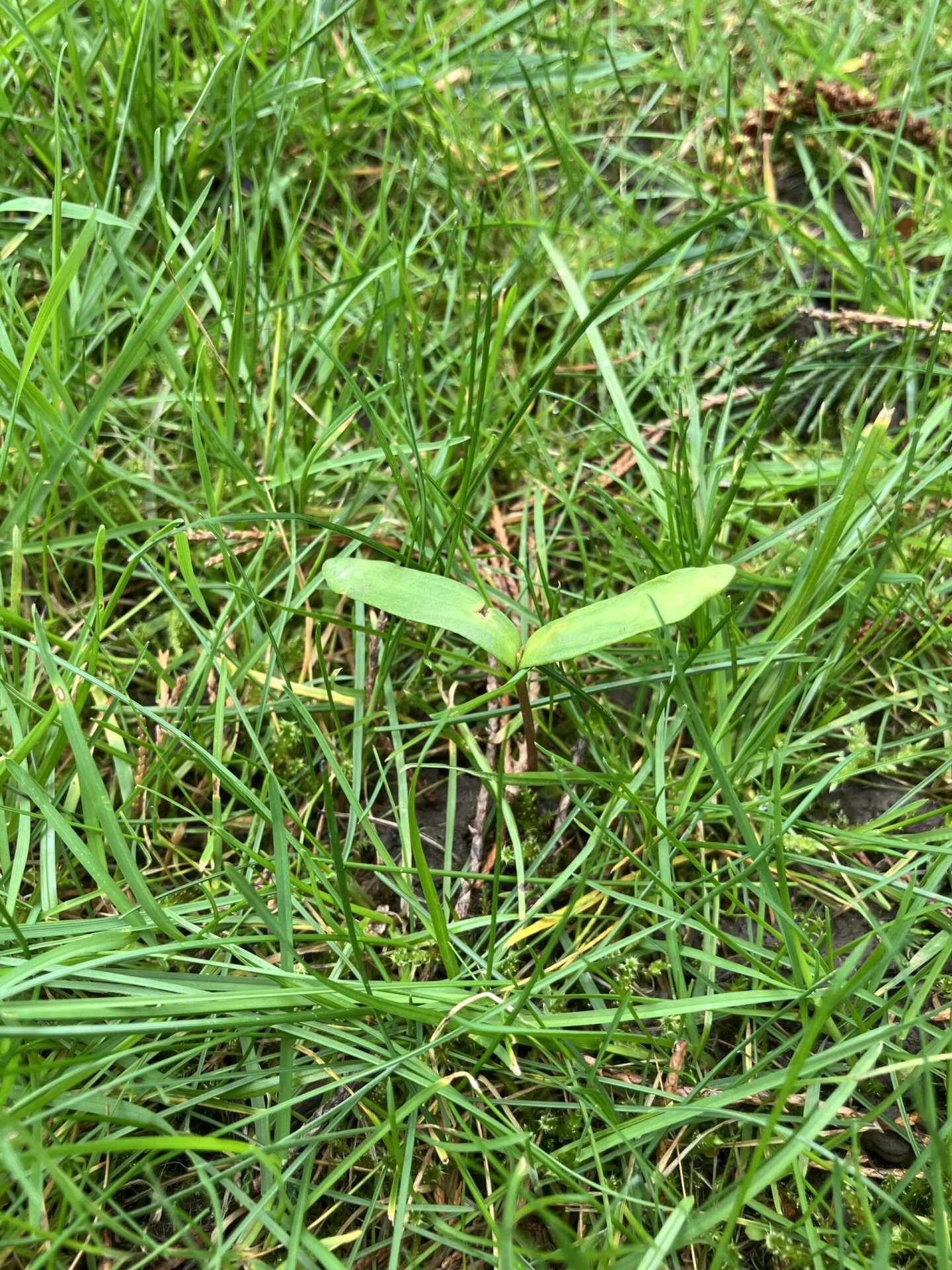
Unfortunately, it's that time of year again where the sycamore seedlings have started shooting up. I thought it might be helpful to have a think about what we can do as horse owners to prevent atypical myopathy (the disease associated with these pesky plants). The simple answer is to remove all access to any seeds, seedlings and leaves, however this is not always simple to achieve!

The best thing we can do to reduce risk is to totally avoid grazing paddocks known to have seedlings/nearby trees in the high risk periods (Spring and Autumn). It is important to note that seeds can travel up to 200 yards!

If this is not an option, pulling the seedlings out by hand or mowing (ensuring all cuttings are collected and removed) will help reduce the amount of toxic material available to eat. Mowed seedlings are likely to grow back quicker than those pulled out. The same concept of collecting seeds in autumn applies.

Spraying is NOT a reliable way to reduce risk as studies have shown that even sprayed off seedlings still contain the toxin responsible for causing disease for up to 6-8 months.

Providing supplementary forage if grazing is poor can help to reduce foraging for plants other than grass, therefore reduce risk, however avoid feeding from the floor where seeds or seedlings are prevalent.

Harrowing grazing land has been shown to increase the risk of disease, likely due to spreading sycamore material across a wider area. Therefore, avoiding harrowed land in high risk periods may help to reduce risk.

Toxin levels can differ hugely from tree to tree and year on year. Testing is available for seeds and seedlings to assess the toxin levels in those specific to your land.

To find out more about the signs of Atypical Myopathy or how the toxin causes disease check out our other blogs on this subject - click here and here.

If you have any questions regarding Atypical Myopathy, as always don't hesitate to get in touch! Holly x
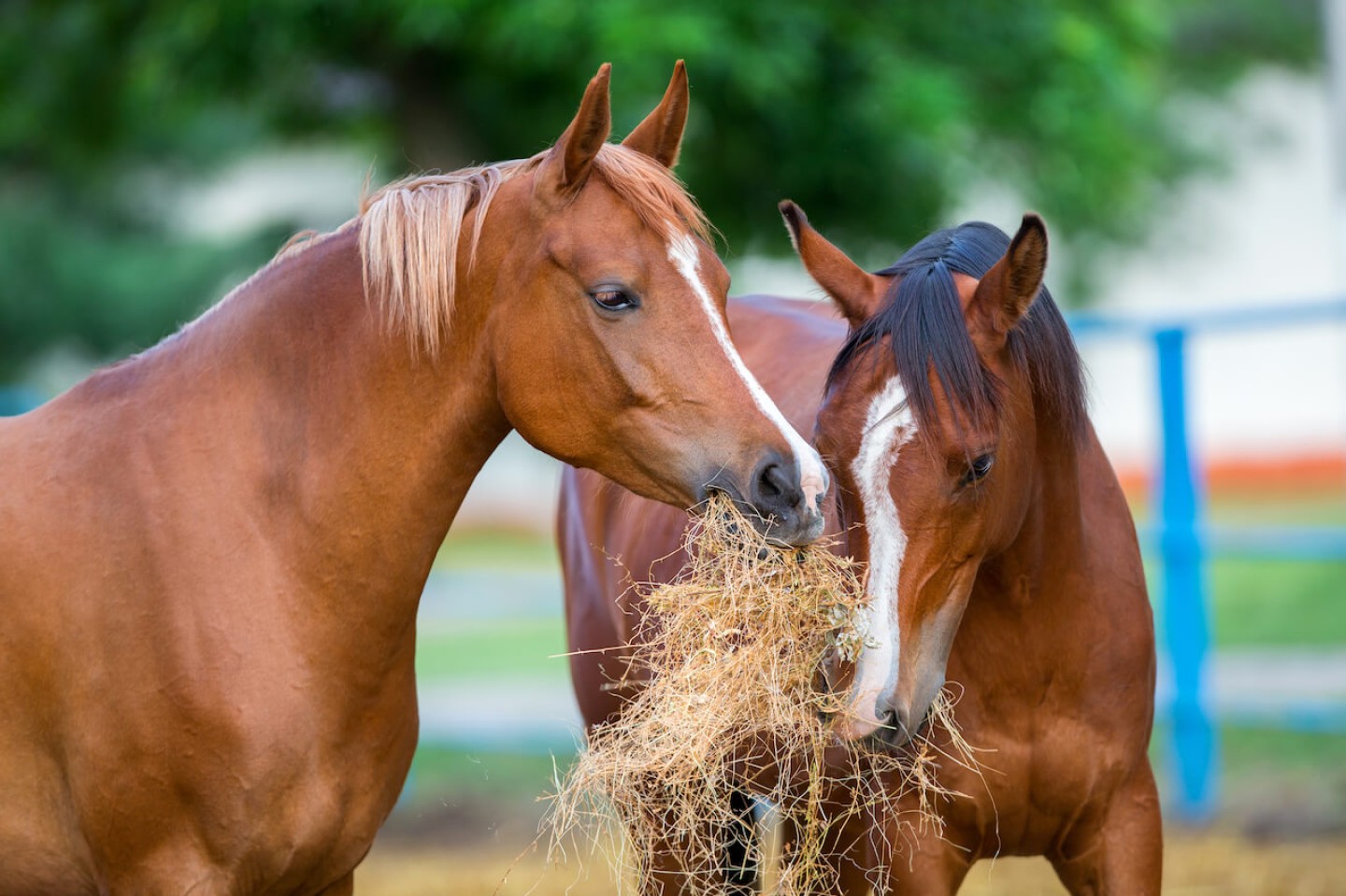
hay

Equine Gastric Ulceration - Risk Factors and Management...

Equine gastric ulcer syndrome can be a cause of poor performance, behavioural problems, poor condition, recurrent colic and more. The term equine gastric ulcer syndrome is an umbrella term for two conditions – squamous disease and glandular disease.

The equine stomach can be divided into two parts:

  • The bottom two thirds of the stomach is known as the glandular portion, lined by glandular mucosa. This mucosa produces acid and digestive enzymes for digestion and mucous for protection, it is therefore well adapted for contact with acid.
  • The top third of the stomach is known as the squamous portion, lined by squamous mucosa. This mucosa is sensitive and not well adapted for direct contact with acid.

Equine squamous gastric disease (ESGD) is well understood. Due to the nature of this mucosa and its limited defence mechanisms, ulceration in this area is caused by direct acid injury.

Risks for squamous ulceration include exercise, fasting and increased acidity in the stomach contents.

  • Exercise – exercise increases the pressure in the abdomen which causes acid to be pushed up and splash onto the squamous mucosa. The higher the intensity of the exercise the greater the splash effect is.
  • Low forage diet – horses have evolved to eat a high fibre trickle diet, therefore they need constant access to forage. Chewing forage produces saliva – this saliva contains bicarbonate which buffers the acid produced by the stomach
  • High concentrate diet – hard feeds don't produce the same quantity of saliva as forages do. They also result in greater production of volatile fatty acids contributing to an increase in acidity of the stomach contents
  • Prolonged periods without food – longer than 6 hours between forage feeds greatly increases the risk of ulcers

The risk factors for equine glandular gastric disease (EGGD) are not as well understood as squamous disease. The exact reasoning as to why we can see a failure in the stomach's natural defence mechanisms is unknown, however it is often highly influenced by external risk factors:

  • Exercise – there may be a link between exercise and reduced gastric blood supply, frequency of exercise appears more significant than intensity for glandular disease. Performing exercise more than 4-5 days per week has been shown to increase the risk of EGGD in racehorses.
  • Stress – causes of stress such as reduced turnout time, box rest, isolation or just general changes in routine. Studies show stressed horses are more likely to develop gastric ulcers however again the link is not well understood.
  • Concurrent pain – there may be some association between orthopaedic disease and EGGD, however this requires further investigation
Glandular gastric lesions

So with these risk factors in mind, what can you do to help reduce the risk of gastric ulceration?

Squamous ulcers

  • Feed 2 litres of chaff or an equivalent volume of forage 30 minutes prior to exercise – this creates a fibre matt on the surface of the stomach acid and reduces splash
  • Ensure constant access to good quality forage

Glandular ulcers

  • Provide 2 rest days from work per week
  • Maximise turnout time
  • Minimise management changes and stress factors
  • Address any concurrent conditions that may be causing pain
IMG_1524

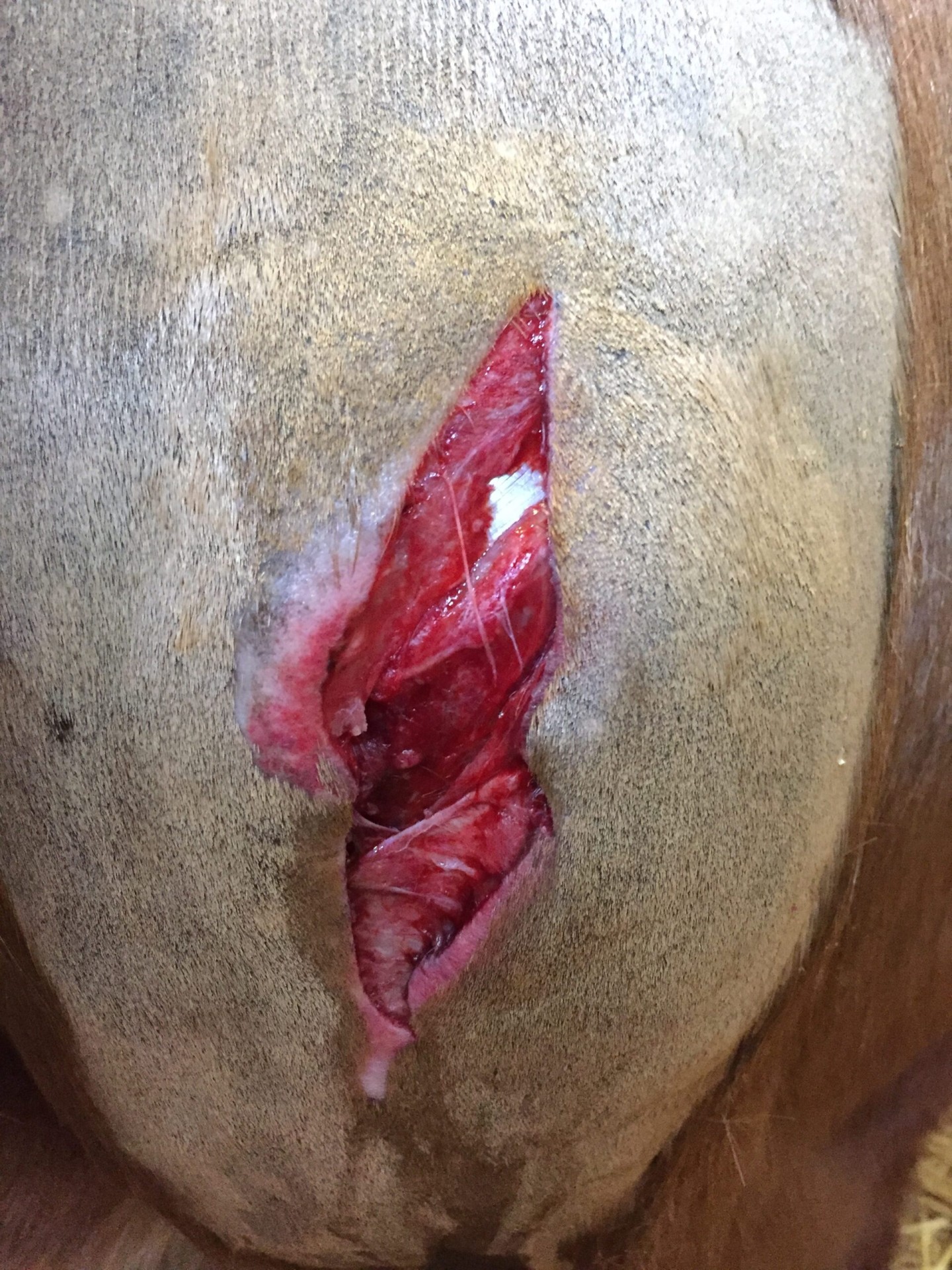
What NOT to do if your horse has a wound!

This week we're preparing for our Autumn Client Talk on wounds and first aid and I've been reflecting on the wounds I have attended this year. I realised that owners probably don't realise that what they do to the wound prior to the vet arriving on the scene can have a dramatic effect on the outcome. While we will have some great tips on what you should do I think what NOT to do is far more important, so here goes...

xray-sinusitis

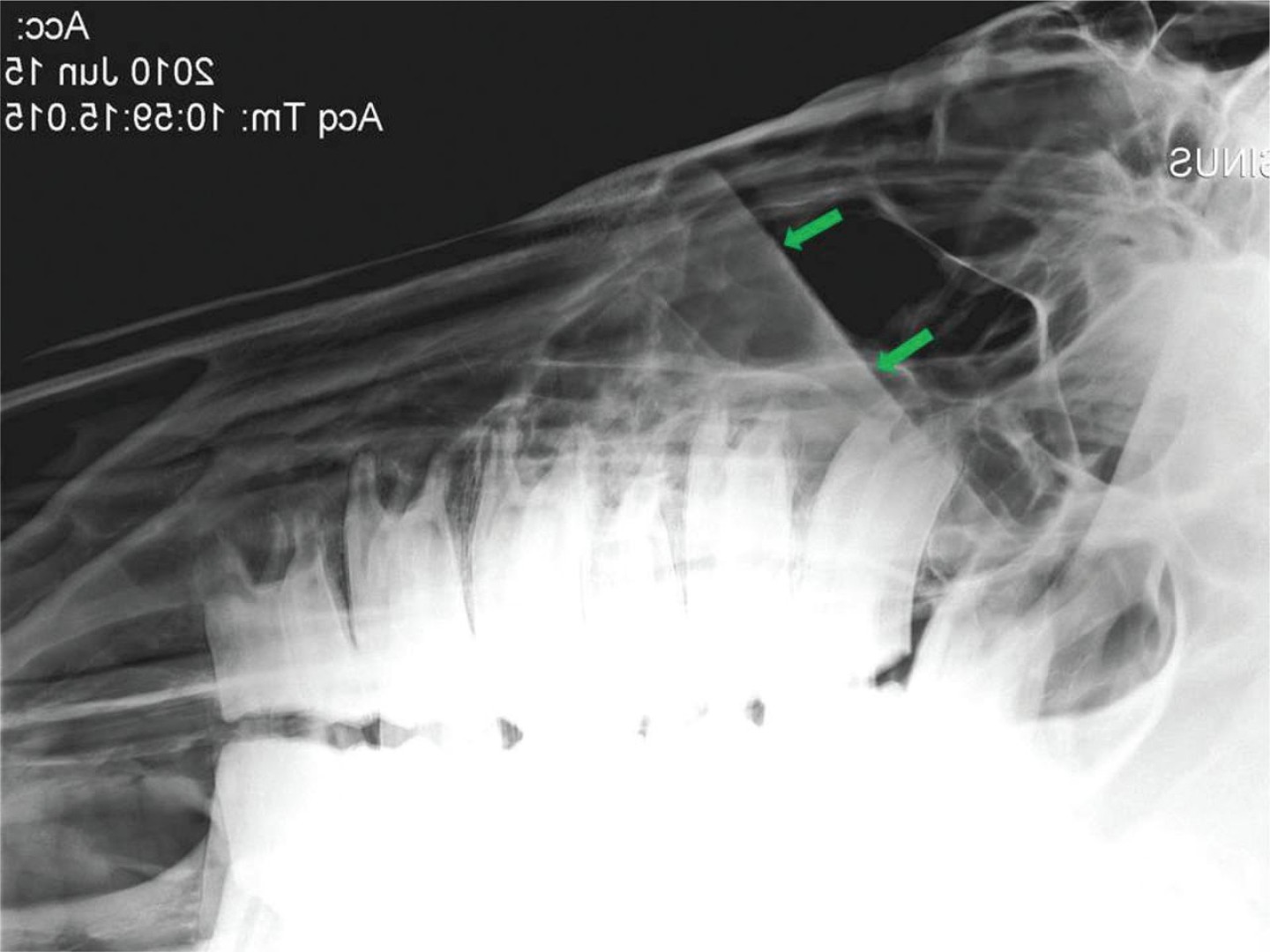
Sinusitis- what is it?

Recently we've seen a few cases of horses with nasal discharge and we thought it would be a good idea to post about one of the conditions we associate with nasal discharge.

IMG_8164

Keeping your horse hydrated and happy in the sun

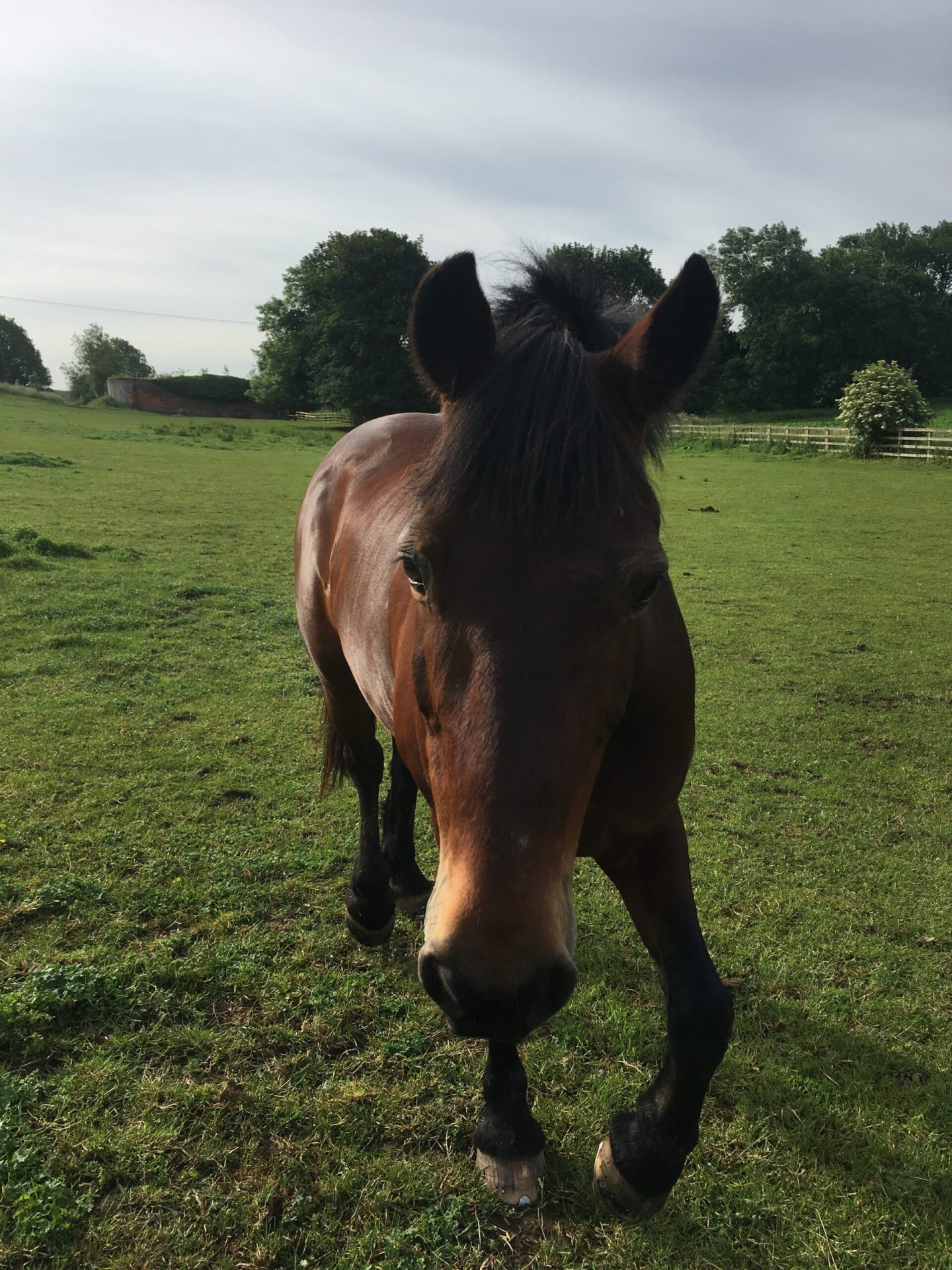
Dare I say the sun seems to be making an appearance this weekend, as the weather warms up it's worth keeping in mind we aren't the only ones that will be getting hot and bothered. I'm so pleased that our horses are finally getting to have more time outside with the sun on their backs so I've put together a few tips for keeping our horses hydrated and happy over summer. The photo is Denver who was very happy when he got to have a naked roll when I took his rug off on Monday! Jess Timmins x